
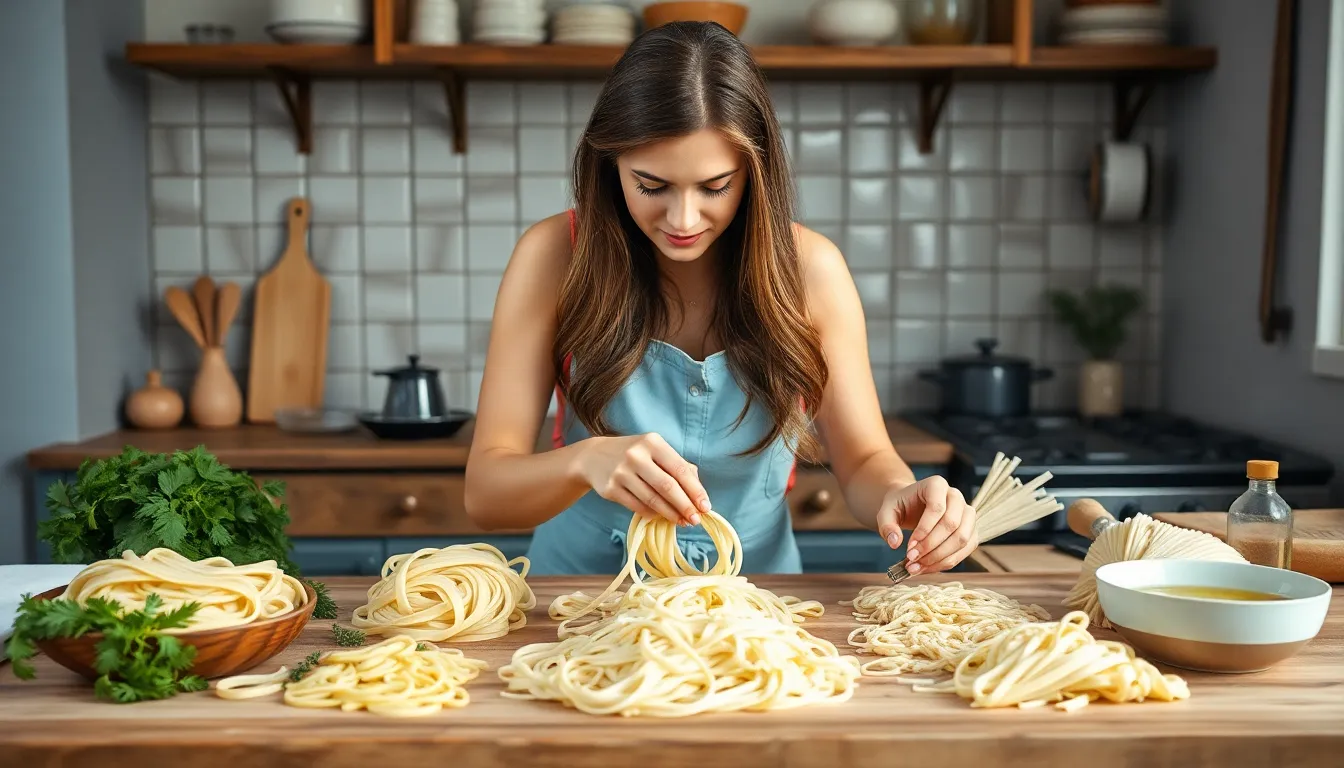
When it comes to crafting the perfect zavagouda, the choice of noodles can make or break your dish. Picture this: a steaming bowl of savory goodness, rich in flavor and texture. But wait—what kind of noodles should you use to elevate this culinary masterpiece? It’s a noodle dilemma that even the most seasoned chefs ponder.
Understanding Zavagouda
Zavagouda is a rich, flavorful dish that benefits from the right noodle selection. Traditional recipes often call for specific types of noodles that enhance the overall experience. Fettuccine presents a popular option due to its width, which allows it to hold sauces well.
Pappardelle offers another excellent choice with its flat shape and ability to capture the savory elements of the dish. Alternatively, egg noodles provide a unique texture that complements the richness of zavagouda, creating a delightful mouthfeel.
Considerations around gluten content also factor into noodle selection. For those aiming for a gluten-free version, rice noodles serve as a suitable substitute while maintaining a satisfying texture. Soba noodles, made from buckwheat, introduce a nutty flavor and work well with traditional zavagouda ingredients.
Choosing the correct noodle can elevate the dish’s taste and mouthfeel, making it crucial to consider how each type interacts with the other components. Each noodle option brings its distinct qualities, impacting how the dish presents. Evaluating the noodle’s thickness, flavor profile, and texture enhances the overall experience of enjoying zavagouda.
Ultimately, noodle selection influences the final dish’s character, making it worth experimenting with various types to find the perfect match for personal preferences.
Popular Noodle Types for Zavagouda
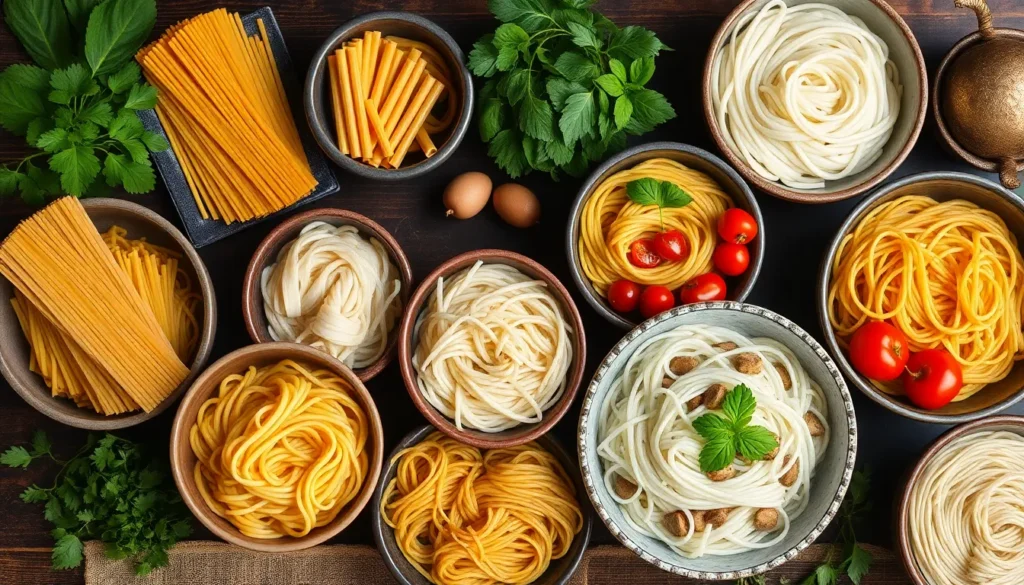
Selecting the right noodle type enhances the flavor and texture of zavagouda. Here are some popular options:
Spaghetti
Spaghetti provides a classic choice for zavagouda. Its long, thin shape allows for even sauce distribution, enhancing the dish’s overall consistency. This type of noodle absorbs flavors well, making it suitable for various variations of zavagouda. Chefs appreciate its versatility; it accommodates a range of sauces including creamy and tomato-based ones. Many diners enjoy spaghetti’s familiar texture, making it a popular selection among those who prefer traditional pasta.
Fettuccine
Fettuccine stands out due to its wide, flat shape. This design captures sauces effectively, providing a rich and satisfying experience. In zavagouda, fettuccine complements the dish’s savory elements, creating a well-balanced meal. Chefs often rely on fettuccine for intricate recipes where sauce cling matters. Diners favor it for its ability to showcase the flavors in every bite, ensuring every mouthful creates a cohesive taste impression.
Udon
Udon noodles introduce a unique texture to zavagouda. These thick, chewy noodles absorb flavors while maintaining their structure, contributing to a hearty experience. Udon’s presence in this dish adds an Asian influence, appealing to those seeking something different. Many chefs appreciate how udon complements rich sauces, enhancing the overall richness of the meal. Individuals often enjoy the comforting qualities of udon, making it a favorite for many zavagouda variations.
Rice Noodles
Rice noodles offer a gluten-free alternative that suits diverse dietary needs. Their light, delicate texture works well with zavagouda, allowing the other flavors to shine through. Rice noodles absorb broth and sauce effectively, creating a satisfying taste experience without overwhelming the palate. Many chefs consider them ideal for lighter versions of zavagouda, especially when aiming for a fresh twist. Diners frequently enjoy rice noodles for their versatility, accommodating both traditional and innovative recipes.
Making the Best Choice
Choosing the right noodles for zavagouda enhances both its texture and flavor. Specific noodle types can transform this rich dish into a remarkable culinary experience.
Texture Considerations
Various noodles contribute unique textures to zavagouda. Fettuccine’s width allows it to cradle sauces, creating a smooth mouthfeel. Pappardelle offers a hearty chewiness, enhancing the dish’s character. Egg noodles introduce a soft, silky texture, complementing the richness of the sauce. Udon noodles, with their thickness, provide a satisfying bite and a different experience. For those preferring a lighter option, rice noodles present a delicate texture, allowing the dish’s flavors to shine without overwhelming. Focusing on textural elements ensures a balanced and enjoyable dining experience.
Flavor Profiles
Different noodle types bring distinct flavor profiles to zavagouda. Fettuccine’s neutral taste makes it a versatile choice, pairing well with various sauces. Pappardelle captures savory elements magnificently, enriching the overall flavor. Egg noodles add a subtle depth, enhancing the dish’s richness. Spaghetti offers a classic touch, enabling even distribution of sauce flavors. Udon noodles, with their unique taste, introduce an Asian influence for those seeking variety. Rice noodles stand out as a gluten-free alternative, contributing a mild flavor that complements both traditional and innovative variations. Selecting noodles based on flavor enhances the overall complexity of zavagouda.
Cooking Tips for Zavagouda
Selecting the right cooking techniques enhances the quality of zavagouda. Proper noodle preparation contributes significantly to the dish’s overall outcome.
Preparing Your Noodles
Begin cooking the noodles in a large pot of boiling salted water. Maintaining a vigorous boil ensures even cooking throughout. For traditional choices like fettuccine or pappardelle, a cooking time of 7 to 10 minutes is typical. Checking the noodles a minute before the package’s recommended time prevents overcooking. Drain the noodles and reserve some pasta water to adjust sauce consistency later. Rinsing isn’t recommended, as it washes away important starch that helps sauce adhere. Lastly, incorporating a bit of olive oil prevents sticking and preserves moisture.
Combining Flavors Effectively
Balancing flavors requires attention to key components in zavagouda. Start with sautéing garlic and onions until aromatic; this provides a robust base. Next, add proteins like chicken or shrimp, allowing them to brown for depth. For a creamy sauce, integrate options such as heavy cream or a blend of ricotta and parmesan into the mix. A splash of lemon juice heightens freshness, while fresh herbs like basil or parsley can introduce brightness. Stir in the cooked noodles with the sauce, ensuring even coverage. Always taste before serving, allowing for adjustments in seasoning to achieve the desired flavor balance.
Choosing the right noodles for zavagouda is essential for achieving the dish’s full potential. Each noodle type brings its own unique qualities that enhance flavor and texture. Whether opting for the classic fettuccine or the hearty pappardelle, the right choice can elevate a simple meal into a culinary experience.
Experimenting with different noodles like udon or rice can also yield delightful results, especially for those seeking gluten-free options. Ultimately, the perfect noodle selection not only complements the rich sauce but also personalizes the dish to individual preferences. With the right ingredients and techniques, anyone can create a memorable zavagouda that satisfies both the palate and the heart.